
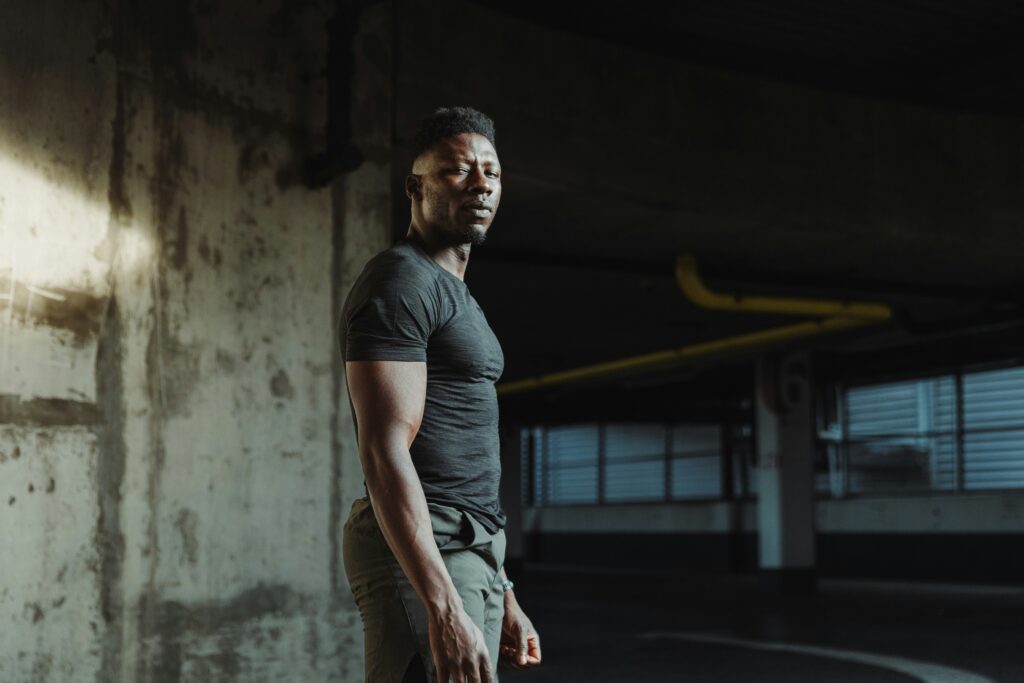
Premium high waisted gym clothes and active wear sets leggings in Australia

Leggings & Active Wear Sets: Ultimate Australian Gym Guide

Finding the perfect pair of leggings is an absolute game changer for any fitness routine. Whether you are hitting a high-intensity interval training session in Sydney, running along the coast in Melbourne, or smashing a heavy leg day at your local gym, your activewear needs to perform flawlessly. There is nothing more distracting than a waistband that constantly rolls down or fabric that becomes sheer the moment you drop into a deep squat. The modern fitness community demands apparel that combines style, durability, and absolute functionality.

The Australian activewear market has evolved drastically over recent years. Premium gym clothes are no longer just about basic aesthetics. Today, advanced fabric technology, anatomical engineering, and sustainable manufacturing processes dictate what separates premium gymwear from substandard options. To help you navigate the vast world of performance apparel, this comprehensive guide breaks down every critical factor you must consider to find high-performance apparel that truly stays put through every movement.

The Anatomy of a High Performance Waistband

The waistband is the structural anchor of any high-quality clothing item. If the waistband lacks proper construction, the entire garment fails to perform during dynamic exercises. When searching for reliable fitness apparel, you need to understand how ergonomic engineering keeps your clothing secured around your torso.

High-waisted designs have become the industry standard for a very good reason. They provide essential abdominal support and align naturally with the narrowest part of your torso. This natural alignment prevents gravity from pulling the fabric down during repetitive movements like running or jumping. However, height alone is not enough, and the internal structure of the fabric layers matters immensely.

Premium options utilize seamless fabrication or double-layered compression panels within the upper band. This configuration distributes pressure evenly across your core rather than digging into your skin with a thin elastic strip. Look for internal grip technology or specific curved stitching profiles that mirror human anatomy. These design elements ensure the garment hugs your curves securely without requiring constant manual adjustments during your workout sessions.

Fabric Technology and the Science of Compression

The material composition of your apparel dictates how it responds to sweat, movement, and friction. Standard casual garments often rely heavily on basic cotton or thin polyester blends. These materials lack the structural integrity required for rigorous physical training. True athletic apparel leverages advanced synthetic blends designed specifically for moisture management and muscle support.

Nylon and elastane blends represent the pinnacle of high-performance engineering. Nylon provides exceptional durability and resistance against abrasions, ensuring your gear survives contact with rough gym equipment or velcro. Elastane delivers the necessary four-way stretch that allows the garment to expand and contract without losing its original shape over time. When browsing a premium fitness wears collection, you will notice these advanced fabric blends are standard across all top-tier designs.

Compression levels also play a massive role in preventing your gear from shifting. Strategic compression applies calculated pressure to specific muscle groups, which stabilizes the fabric against your skin while promoting blood flow. A optimal level of compression keeps the fabric locked in place against your thighs and hips, eliminating the slack that typically causes garments to slip down during complex movements.

Achieving Full Squat Proof Security

The term squat-proof has become a standard metric in the fitness community, yet many individuals still struggle with transparency issues. A garment is truly squat-proof when it maintains complete opacity at maximum fabric extension. Testing this characteristic involves understanding both material density and knit construction.

Material density is measured in grams per square meter. Premium performance fabrics feature a higher density knit that prevents the material from becoming transparent when stretched over the glutes during deep squats, lunges, or deadlifts. Cheap manufacturing often stretches low-density fabric to cut costs, resulting in embarrassing transparency under bright gym lighting.

Beyond density, the method of knitting influences opacity. Interlock knit constructions utilize two layers of fabric knitted together, creating a thicker and more resilient barrier compared to single-knit jerseys. When selecting premium active wear sets, always verify that the fabric description specifies a multi-directional interlock knit to guarantee absolute privacy and peace of mind during your heaviest training days.

The Importance of Seams and Panel Engineering

How a garment is pieced together alters both its comfort and its ability to stay stationary on your body. Traditional raised seams create prominent friction points against the skin, leading to painful chafing and gradual shifting as your body moves. High-quality performance gear solves this issue through advanced seam engineering.

Flatlock stitching is a critical requirement for any serious training apparel. This technique joins fabric panels flat edge to flat edge without any internal overlap. The result is a completely smooth interior surface that glides seamlessly against your skin, eliminating friction and keeping the garment securely anchored during high-velocity movements.

Furthermore, look for ergonomic paneling and gusseted crotches. A diamond-shaped or triangular gusset sewn into the crotch area redistributes stress points away from the center of the garment. This specialized engineering allows for a broader range of motion in the hips and legs, preventing the fabric from pulling downward from the waist when you move through wide stances or deep stretches.

Coordinating Your Performance Gear

A complete training outfit requires coordination between your lower body apparel and your upper body support system. While finding premium bottoms is essential, matching them with the right top ensures a cohesive training experience. Many athletes prefer to pair their high-waisted bottoms with specialized athletic tops to maximize airflow and coverage during high-impact movements.

For instance, pairing supportive bottoms with a high-performance fitness bra allows for unrestricted shoulder movement while maintaining core stabilization. The synergy between a compression waistband and a wide under-bust band creates an integrated support network across your entire torso, reducing friction and ensuring that neither garment shifts out of place during intense training.

When looking to refresh your entire workout wardrobe, exploring an established sports wears line ensures that the fabrics, compression levels, and color palettes match seamlessly. This integrated design philosophy allows you to transition smoothly from dynamic floor exercises to heavy lifting without worrying about mismatched performance characteristics or varying fabric elasticities.

Moisture Management in the Australian Climate

Training in Australia introduces unique environmental challenges, particularly regarding heat and humidity. Whether you are training indoors under heavy ventilation or outdoors under the sun, sweat management is essential for maintaining both comfort and garment stability. Wet fabric becomes heavy, stretches out, and naturally slides down under its own weight.

Advanced moisture-wicking technology pulls sweat away from your skin and channels it to the outer surface of the fabric where it can evaporate rapidly. Hydrophobic synthetic fibers ensure the material does not absorb water weight, keeping your activewear lightweight and dry throughout intense training sessions.

When garments retain moisture, the elasticity degrades rapidly during the workout, causing the waistband to sag. Prioritizing breathable fabrics with built-in ventilation zones or mesh panels ensures you remain cool and your clothing retains its structural tightness from the first warm-up set to the final cooldown stretch.

How to Select Your Perfect Fit and Size

Even the most technologically advanced clothing will fail to stay in place if you choose the incorrect size. A very common misconception is that purchasing a smaller size will provide a tighter, more secure fit. In reality, sizing down achieves the exact opposite result and compromises the integrity of the apparel.

When fabric is stretched beyond its engineered capacity, the elastane fibers become overextended. This overextension causes the material to fight back against your body, pulling downward away from your waist and causing the fabric to become sheer. Conversely, sizing up leaves excess material around the waist and hips, resulting in immediate sagging and fabric bunching during movement.

To find your ideal fit, rely strictly on precise body measurements rather than generic size labels. Measure your waist at its narrowest point and your hips at their widest point. If you fall between sizes, consider the primary utility of the garment. For high-impact training, choose the size that aligns closest with your compression preferences while ensuring the waistband sits comfortably flat without cutting into your skin.

Care and Maintenance for Long Lasting Performance

Investing in premium performance apparel requires a commitment to proper care. How you wash and dry your activewear directly impacts the longevity of the elastic fibers that keep your garments securely in place. Negligent laundry habits can destroy high-quality technical fabrics within a few months.

Always wash your athletic clothing in cold water on a gentle cycle. Heat is the ultimate enemy of elastane and technical synthetic fibers. High temperatures melt the delicate elastic strands, causing them to snap and permanently lose their recovery properties. Once the elasticity is compromised, the garment will inevitably begin to sag and slide down during exercise.

Additionally, entirely avoid the use of fabric softeners. Fabric softeners leave a microscopic chemical coating over the synthetic fibers, which clogs the material pores and completely destroys its moisture-wicking capabilities and breathability. Air drying your performance gear away from direct intense sunlight is the best practice to ensure the materials retain their shape, elasticity, and hold for years to come.

Conclusion

Elevating your fitness journey requires gear that works with your body, not against it. By prioritizing advanced fabric blends, high-waisted structural engineering, flatlock stitching, and proper sizing, you can say goodbye to the frustration of constantly adjusting your clothing mid-workout. Investing in premium activewear ensures you can focus entirely on your performance, movement, and fitness goals with absolute confidence.

Shopping Cart0

No products in the cart.